
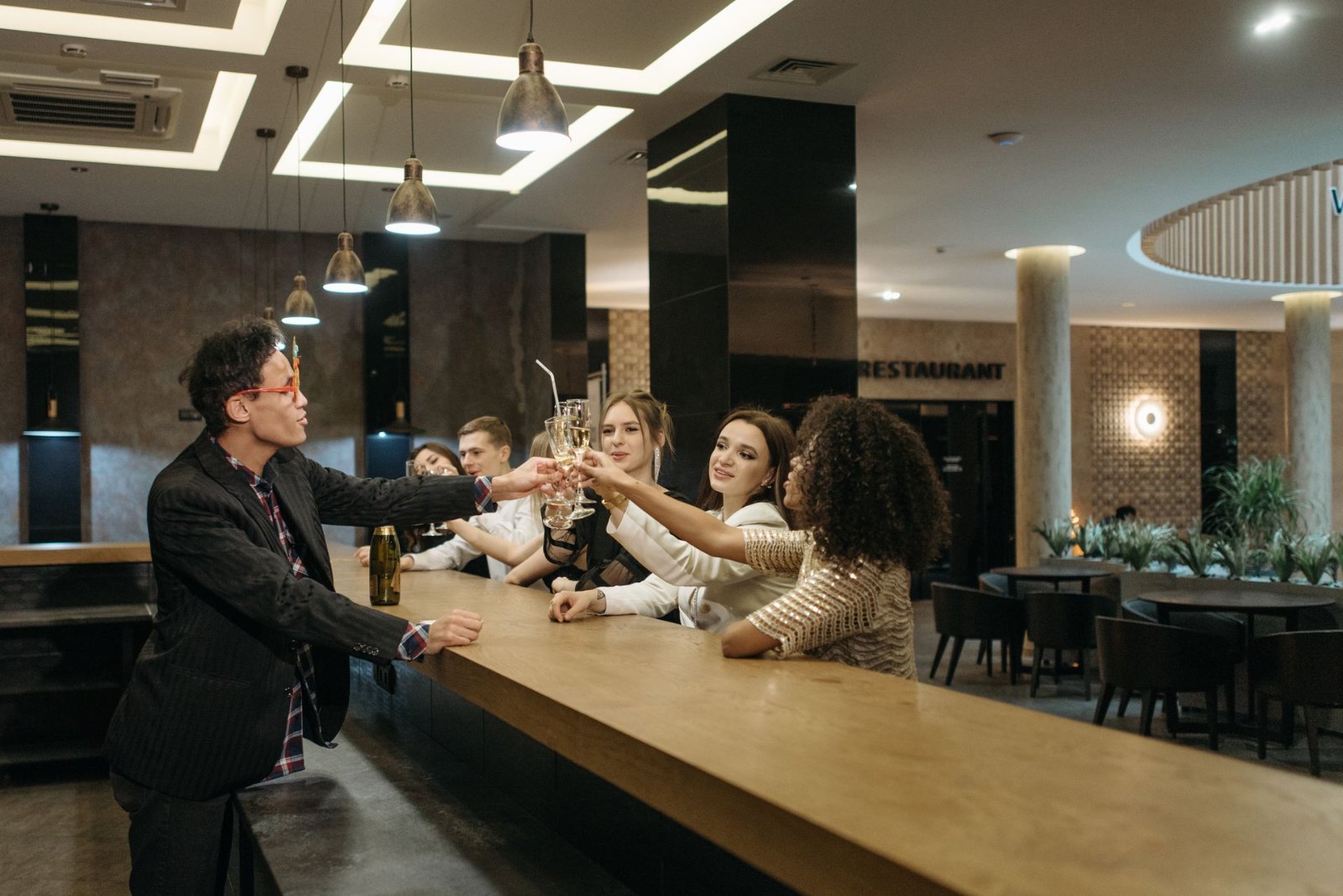
Let’s be honest — when someone mentions a bar crawl in New York City, the first image that comes to mind isn’t exactly a picture of wellness. You’re probably picturing a group of people stumbling between neon-lit watering holes in the East Village, making questionable decisions at 2 a.m. And sure, that version of a bar crawl exists. But it doesn’t have to be your story.
The truth is, bar crawls are one of the most social, exciting, and culturally rich ways to explore a city like New York. From the craft cocktail lounges of the Lower East Side to the rooftop bars of Brooklyn, a well-organized bar crawl is essentially a guided tour of a city’s nightlife identity. The problem isn’t the bar crawl itself — it’s the lack of strategy going into it.
This article is your evidence-based guide to enjoying bar crawls without sacrificing your health, your morning after, or your long-term wellbeing. Whether you’re a seasoned NYC nightlife veteran or planning your first crawl with a service like Barcrawlerz, these strategies will help you have the time of your life while keeping your body and mind in check.
Understanding the Real Health Risks of Bar Crawls
Before we dive into the solutions, it’s worth understanding what we’re actually dealing with. Bar crawls involve multiple stops, social pressure to drink, varying environments, and often long periods of standing or walking. In a city like New York, you’re also adding subway rides, long city blocks, and unpredictable weather into the mix.
Alcohol Consumption and Its Cumulative Effect
The most obvious health concern with bar crawls is alcohol. According to the National Institute on Alcohol Abuse and Alcoholism (NIAAA), binge drinking is defined as a pattern of drinking that brings blood alcohol concentration (BAC) to 0.08 g/dL or higher — typically around four drinks for women and five for men within two hours.
Bar crawls, by their very nature, can push people toward binge drinking territory because the social environment encourages matching pace with others. Each new bar brings a new round, and before you know it, you’ve had eight drinks across four hours and feel far worse than you anticipated.
Dehydration and Physical Fatigue
Alcohol is a diuretic, meaning it causes your kidneys to expel more water than you’re taking in. Combine this with walking several blocks between bars in New York’s unpredictable weather — humid summers, freezing winters — and you have a recipe for serious dehydration. Fatigue compounds this, especially if your bar crawl starts in the evening after a full workday.
Sleep Disruption
Research published in the journal Alcoholism: Clinical and Experimental Research has shown that alcohol significantly disrupts REM sleep, even when consumed in moderate amounts. A bar crawl that ends at midnight might still leave you feeling exhausted the next morning because the quality of your sleep was compromised.
Social Pressure and Mental Health
There’s also a psychological dimension to consider. The social pressure to keep up with a group, the FOMO of skipping a round, and the emotional lows that can follow alcohol consumption are all real factors. These aren’t reasons to avoid bar crawls — they’re reasons to approach them with intention.
Evidence-Based Strategy #1: Eat a Substantial Meal Before You Start
This one sounds obvious, but you’d be amazed how many people show up to a bar crawl having eaten nothing since lunch. Food slows the absorption of alcohol into your bloodstream, giving your liver more time to process it and keeping your BAC at a more manageable level throughout the night.
What to Eat and When
Research from the British Journal of Clinical Pharmacology found that eating a meal high in fat, protein, and carbohydrates before drinking can reduce peak BAC by up to 50% compared to drinking on an empty stomach. That’s not a small number — that’s the difference between feeling pleasantly social and feeling out of control.
Before a bar crawl in New York City, consider fueling up at one of the city’s incredible pre-game dining spots. A hearty bowl of pasta in Little Italy, a protein-packed meal from one of the countless Mediterranean spots in Astoria, or even a solid slice of NYC pizza can all do the trick. Aim to eat one to two hours before your first bar stop.
“Eating before drinking isn’t just folk wisdom — it’s biochemistry. Food, especially fat and protein, slows gastric emptying and significantly reduces the rate at which alcohol enters your bloodstream.”
Snacking Between Stops
Don’t stop at the pre-crawl meal. Many bars in New York serve food, and strategically ordering a snack between drinks — bar nuts, sliders, fries — can help maintain your blood sugar and slow continued alcohol absorption. Barcrawlerz often plans routes that include bars with solid food menus, which makes this strategy much easier to execute in practice.
Evidence-Based Strategy #2: Pace Yourself With a Drink Schedule
Your liver can metabolize approximately one standard drink per hour. That’s it. There’s no hack, no food trick, no coffee cure that changes this biological reality. Understanding this is the foundation of pacing yourself effectively.
What Counts as a Standard Drink?
A standard drink in the United States contains 14 grams of pure alcohol, which equates to:
– 12 ounces of regular beer (5% alcohol)
– 5 ounces of wine (12% alcohol)
– 1.5 ounces of distilled spirits (40% alcohol)
The problem is that many cocktails served at New York City bars contain significantly more than one standard drink. A Long Island Iced Tea, for example, can contain four or five standard drinks in a single glass. Being aware of what you’re ordering is crucial.
The One-Hour Rule
A practical strategy is to aim for no more than one standard drink per bar stop, with at least 45 minutes to an hour between drinks. If your bar crawl covers five bars over five hours, that’s a manageable and enjoyable pace that keeps you functional, social, and far from dangerous territory.
On organized bar crawls with Barcrawlerz in New York City, the pacing between stops is built into the experience. This natural structure gives you permission to slow down without feeling like you’re missing out.
Evidence-Based Strategy #3: Hydrate Aggressively and Consistently
Hydration is arguably the single most impactful thing you can do to mitigate the negative effects of alcohol. Water doesn’t reduce your BAC in real time, but it does combat dehydration, reduce the severity of hangover symptoms, and help your body process alcohol more efficiently over time.
The Water-to-Drink Ratio
A widely recommended guideline is to drink one full glass of water for every alcoholic beverage you consume. This sounds simple, but it requires active intention in a bar environment where water isn’t always front and center. Make a habit of asking for a glass of water with every drink order — bartenders in New York are accustomed to this and will never bat an eye.
Electrolytes Matter Too
Plain water is great, but alcohol also depletes key electrolytes like sodium, potassium, and magnesium. Consider starting your night with a sports drink or electrolyte tablet, and have one waiting at home for when you return. Brands like Liquid IV or Nuun are easy to carry and can make a significant difference in how you feel the next morning.
“Dehydration is responsible for many of the worst hangover symptoms — headache, fatigue, dizziness. Staying ahead of it with consistent water intake is one of the most effective evidence-based strategies for enjoying alcohol without suffering the next day.”
Evidence-Based Strategy #4: Know Your Personal Limits and Respect Them
This strategy is less about science and more about self-awareness — though the science backs it up completely. Everyone metabolizes alcohol differently based on body weight, genetics, biological sex, medications, and tolerance levels built up over time.
Genetics and Alcohol Metabolism
Research has shown that variations in the genes encoding alcohol dehydrogenase (ADH) and aldehyde dehydrogenase (ALDH) — the enzymes responsible for breaking down alcohol — significantly affect how quickly individuals process alcohol. Some people metabolize alcohol faster, while others, particularly those of East Asian descent, may experience a “flush response” due to a variant in ALDH2 that causes acetaldehyde (a toxic byproduct of alcohol) to accumulate more quickly.
Understanding your personal biology isn’t just interesting trivia — it’s actionable information that can help you set realistic expectations for your night out.
Social Permission to Slow Down
One of the best things about organized bar crawls like those offered by Barcrawlerz in New York City is the built-in social structure. You’re with a group that has a shared agenda — having fun — and not every moment needs to involve drinking. Ordering a mocktail, a soda water with lime, or simply nursing a beer is entirely acceptable and increasingly common in NYC’s evolving bar culture.
The rise of the “sober curious” movement has made it far more socially acceptable to participate in nightlife without drinking heavily. Many bars in New York now offer sophisticated non-alcoholic options that don’t feel like a consolation prize.
Evidence-Based Strategy #5: Plan Your Route and Transportation in Advance
This might not seem like a health strategy at first glance, but planning your route has a profound impact on your physical wellbeing during a bar crawl. In New York City, the distance between bars, the availability of transportation, and the overall logistics of the evening can make or break your night.
Walking vs. Transit
New York City is, in many ways, the perfect city for a bar crawl because of its density. Neighborhoods like the West Village, Hell’s Kitchen, and Williamsburg have dozens of bars within walking distance of each other. Walking between stops has real health benefits — it gives your body time to process alcohol, keeps your circulation going, and burns some of the calories you’re consuming.
However, walking too far while intoxicated can lead to fatigue, poor decision-making, and in winter months, dangerous exposure to cold temperatures. Barcrawlerz designs routes that optimize the balance between walkability and manageable distances, making the experience enjoyable without being physically exhausting.
Plan Your Way Home Before You Leave
One of the most underrated health strategies for bar crawls is knowing exactly how you’re getting home before the night begins. Decide in advance whether you’re taking the subway, using a rideshare app, or crashing at a friend’s place nearby. Having this plan locked in removes the temptation to make impulsive decisions later in the evening when your judgment may be compromised.
Evidence-Based Strategy #6: Get Quality Sleep the Night Before
Your body’s ability to handle alcohol is significantly affected by how rested you are going into the experience. Sleep deprivation impairs your liver’s ability to metabolize alcohol efficiently and lowers your overall tolerance. A study published in Sleep Medicine Reviews found that sleep-deprived individuals experienced more severe impairment from alcohol than well-rested counterparts, even at the same BAC levels.
The Pre-Crawl Sleep Strategy
If you know you have a bar crawl coming up — especially one organized through Barcrawlerz in New York City — treat the night before like a performance athlete treats the night before a competition. Aim for seven to nine hours of quality sleep, avoid alcohol the night before if possible, and wake up at a reasonable hour to give your body maximum recovery time before the evening begins.
This isn’t just about feeling good during the crawl. It’s about ensuring your decision-making is sharp, your social energy is high, and your body is prepared to handle the physiological demands of the night.
Evidence-Based Strategy #7: Supplement Smartly
While no supplement can prevent intoxication or magically protect your liver, certain nutrients can support your body’s ability to process alcohol and reduce the severity of next-day symptoms.
B Vitamins
Alcohol depletes B vitamins — particularly B1 (thiamine), B6, and B12 — which are critical for energy metabolism and neurological function. Taking a B-complex vitamin before a bar crawl and again the next morning can help replenish these stores and reduce fatigue.
Milk Thistle
Milk thistle (silymarin) has been studied for its potential liver-protective properties. While the evidence is not conclusive enough to make strong clinical claims, some research suggests it may help reduce oxidative stress on liver cells caused by alcohol metabolism. It’s widely available at health food stores across New York City and is a popular supplement among health-conscious social drinkers.
N-Acetyl Cysteine (NAC)
NAC is an antioxidant that supports glutathione production — your body’s primary antioxidant defense against oxidative damage from alcohol. Some studies suggest that taking NAC before drinking may help reduce acetaldehyde toxicity. However, it’s important to consult a healthcare provider before adding any supplement to your routine.
“Supplements are not a free pass to drink irresponsibly. They are supportive tools that, when combined with smart drinking habits, can help your body cope more effectively with the physiological demands of a night out.”
Evidence-Based Strategy #8: Choose Your Drinks Wisely
Not all alcoholic beverages are created equal when it comes to their impact on your body. The type of drink you choose can affect how quickly you get intoxicated, how severe your hangover is, and how you feel the next morning.
Congeners and Hangover Severity
Congeners are chemical byproducts of fermentation that give alcoholic beverages their distinctive flavors. Darker liquors like whiskey, bourbon, and dark rum contain significantly more congeners than clear spirits like vodka and gin. Research has shown that high-congener beverages are associated with more severe hangover symptoms.
This doesn’t mean you need to stick exclusively to vodka sodas all night — that would rob you of the incredible craft cocktail experiences that NYC’s bar scene is famous for. But being mindful of mixing dark and light liquors, and perhaps gravitating toward lower-congener options later in the night, can make a meaningful difference.
Avoid Sugary Mixers
Sugary mixers — think Red Bull, fruit punches, and sweet syrups — can accelerate intoxication by masking the taste and effects of alcohol, leading you to drink more than you intended. They also contribute to blood sugar spikes and crashes that can worsen how you feel the next day. Opt for soda water, tonic, or fresh citrus when possible.
How Barcrawlerz Makes Healthy Bar Crawling Easier in New York City
One of the biggest challenges of executing all these strategies on your own is the cognitive load. When you’re having fun with friends, the last thing you want to do is constantly calculate drink counts, check your water intake, and monitor the clock. This is where an organized bar crawl service like Barcrawlerz becomes genuinely valuable from a health perspective.
Barcrawlerz designs their New York City bar crawls with built-in pacing, curated routes that minimize excessive walking, and stops at venues that offer food alongside drinks. The social structure of an organized crawl also naturally reduces the pressure to drink at every stop — you’re part of a larger group experience, not just a drinking competition.
Their routes through neighborhoods like the West Village, Midtown, and Brooklyn give participants the chance to experience the best of NYC’s bar culture while moving at a pace that keeps the night enjoyable rather than overwhelming. For first-timers and seasoned crawlers alike, having a structured experience removes many of the logistical decisions that can lead to poor choices later in the evening.
The Morning After: Recovery Strategies That Actually Work
Even with the best strategies in place, there may be mornings when you wake up feeling less than stellar. Here’s what the evidence says about effective recovery.
Rehydrate First Thing
Before coffee, before food, before your phone — drink water. Ideally, drink 16 to 32 ounces of water with an electrolyte supplement as soon as you wake up. This begins to address the dehydration that’s responsible for many of your worst symptoms.
Eat a Balanced Breakfast
Your blood sugar is likely low after a night of drinking. A breakfast that includes complex carbohydrates, protein, and healthy fats will help stabilize it. Think eggs with whole grain toast, avocado, and a piece of fruit. Avoid greasy “hangover food” myths — while they may feel comforting, they don’t actually speed up alcohol metabolism.
Sleep and Rest
If you can afford to sleep in or take a nap, do it. Your body does its best recovery work during sleep, and giving it extra time to heal is one of the most evidence-based things you can do after a night out.
Light Movement
A gentle walk — perhaps through Central Park or along the Brooklyn waterfront — can help improve circulation and mood without taxing your body. Avoid intense exercise, which can further dehydrate you and put additional stress on a system that’s already working hard.
Changing the Narrative: Bar Crawls as a Cultural Experience
It’s worth stepping back for a moment to reframe what bar crawls actually are at their best. In a city like New York, where every neighborhood has its own distinct personality, a bar crawl is an opportunity to experience the city’s living, breathing culture in real time.
The dive bars of the East Village tell a different story than the craft cocktail lounges of the West Village. The rooftop bars of Long Island City offer a completely different perspective on the Manhattan skyline than the speakeasies tucked into the basements of Midtown. A bar crawl, when approached with curiosity and intention, is as much a cultural education as it is a social event.
Barcrawlerz understands this deeply. Their curated NYC bar crawl experiences are designed not just to move people between venues, but to connect participants with the stories, aesthetics, and communities that make New York’s nightlife scene one of the most celebrated in the world.
“The best bar crawls aren’t about how much you drink — they’re about how much you experience. New York City’s nightlife is a living museum of culture, creativity, and community, and a bar crawl is one of the best ways to access it.”
Putting It All Together: Your Evidence-Based Bar Crawl Blueprint
Let’s bring everything together into a practical, actionable blueprint you can use for your next New York City bar crawl.
The Week Before
Get quality sleep, stay hydrated, and avoid heavy drinking in the days leading up to your crawl. Consider starting a B-vitamin supplement a few days in advance.
The Day Of
Eat a substantial meal one to two hours before your first stop. Drink plenty of water throughout the day. Confirm your transportation plan for getting home. Pack electrolyte tablets in your bag.
During the Crawl
Stick to one standard drink per bar stop. Order water with every drink. Snack when food is available. Choose lower-congener drinks when possible. Avoid sugary mixers. Give yourself permission to skip rounds without guilt.
The Night After
Drink water before bed. Set your electrolytes out for the morning. Get to bed at a reasonable hour and prioritize sleep.
The Morning After
Rehydrate with water and electrolytes first thing. Eat a balanced breakfast. Rest and allow your body to recover. Take a gentle walk if you feel up to it.
Final Thoughts: You Can Have It All
The idea that bar crawls are inherently bad for your health is a myth — one that’s been perpetuated by a culture that conflates “going out” with “going overboard.” The reality is that with the right strategies, a bar crawl can be a joyful, social, culturally rich experience that you recover from easily and remember fondly.
New York City is one of the greatest cities in the world for nightlife, and services like Barcrawlerz make it easier than ever to experience that nightlife in a structured, social, and enjoyable way. The city’s bar scene rewards the curious, the social, and the intentional — and with the evidence-based strategies outlined in this article, you can be all three.
So the next time someone invites you on a bar crawl in New York City, don’t hesitate out of health concerns. Go in prepared, go in with intention, and go in ready to experience one of the most vibrant nightlife cultures on the planet. Your body — and your memories — will thank you for it.